 Instrumentiverse
Introduction: Finneas in 2026
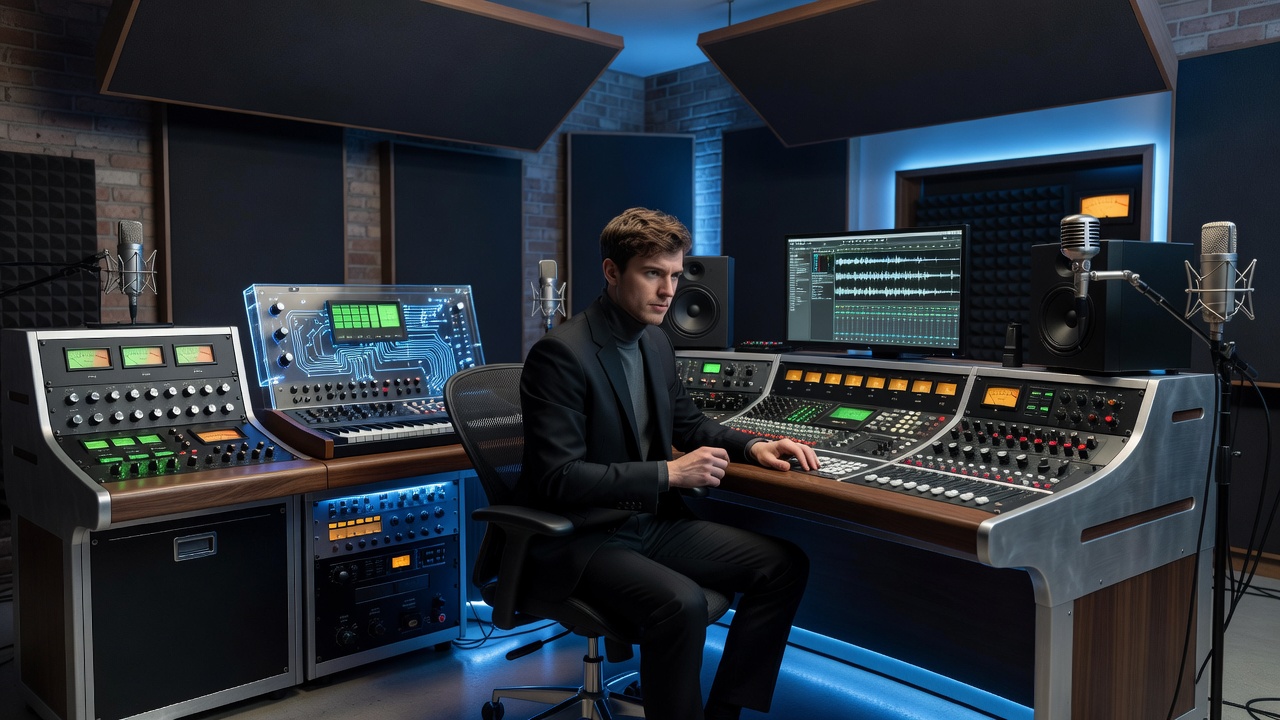
Finneas O'Connell has evolved into one of the most influential producers in pop and alternative music by 2026. His innovative approaches blend intimate songwriting with cutting-edge production, creating hits that resonate globally. This case study examines his career trajectory, key collaborations, and techniques while offering actionable advice for beginners. From humble bedroom recordings to stadium-filling anthems, Finneas demonstrates how a focused creative vision can redefine modern music production landscapes.
Early Career Breakthroughs
Finneas began as a songwriter and performer before gaining widespread recognition through family collaborations. His early work emphasized raw emotion and minimalistic arrangements, setting the foundation for his signature sound. By focusing on melody-first composition, he quickly attracted attention from major labels. Starting in Los Angeles, he experimented with home recording setups using basic interfaces and free software plugins. These initial experiments led to viral tracks that showcased his ability to capture vulnerability in sound. Breakthrough moments included independent releases that caught the ear of industry scouts, paving the way for larger opportunities in the competitive music scene.
Key Collaborations with Major Artists
Working closely with artists like Billie Eilish, Finneas has co-created multiple chart-topping tracks. His production on albums such as "Hit Me Hard and Soft" showcases layered vocals and atmospheric synths. Comparisons to producers like Max Martin highlight Finneas' preference for organic textures over polished pop perfection. Other notable partnerships include work with artists in the alternative scene, where he adapts his methods to diverse genres. Specific examples include co-writing sessions that produced introspective ballads and high-energy electronic fusions. These collaborations often involve iterative feedback loops, where Finneas refines arrangements based on artist input, resulting in deeply personal yet commercially successful music. His role extends beyond production to co-songwriting, ensuring every element serves the emotional core of the song.
Signature Production Techniques with Audio Examples
Finneas often employs unconventional microphone placements and heavy use of reverb to create immersive spaces. For instance, in tracks like "Ocean Eyes," he layers whispered vocals with subtle piano motifs. In 2026, his evolution incorporates AI-assisted sound design while maintaining human authenticity. Practical examples include using sidechain compression on basslines to allow vocals to breathe naturally. Additional techniques involve creative sampling from everyday objects and meticulous automation of effects to build tension throughout a track. He frequently records live instruments in treated rooms to capture natural room tone before processing them digitally. 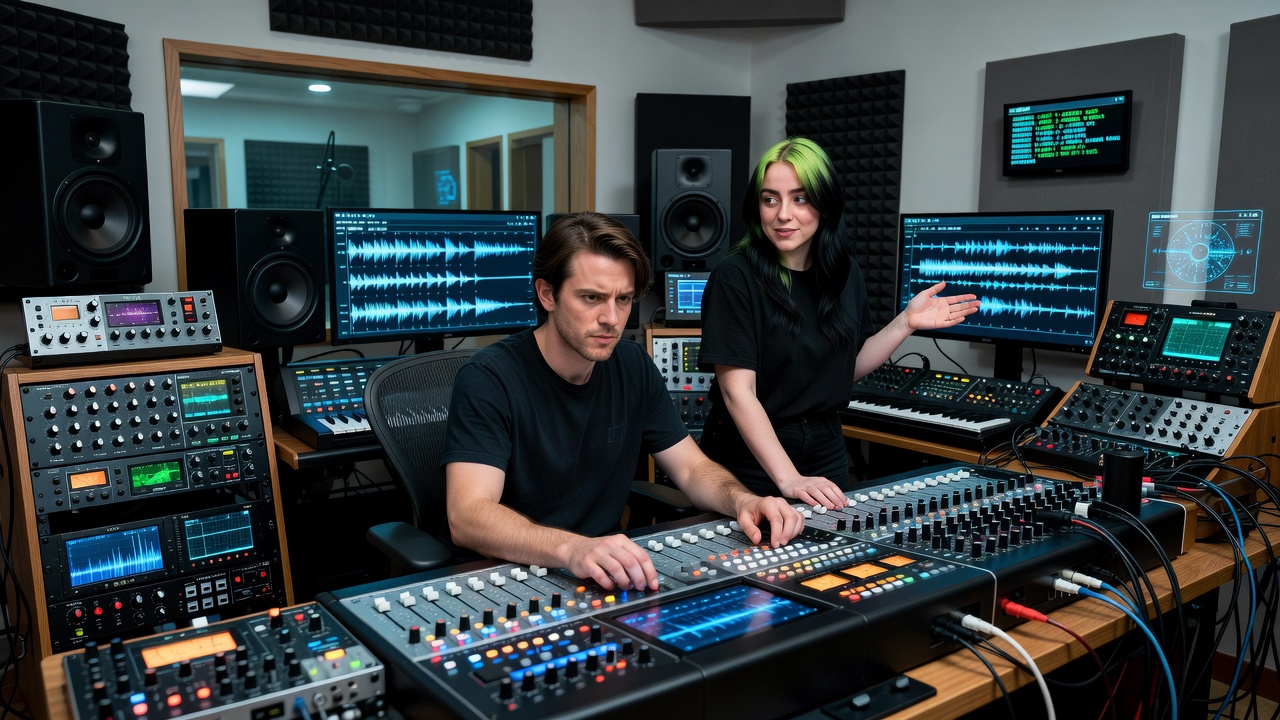
Comparisons to Other Producers
Unlike Rick Rubin’s minimalist ethos, Finneas integrates electronic elements more fluidly. Compared to Pharrell Williams, his focus remains on narrative-driven arrangements rather than groove-centric beats. Additional contrasts emerge when examining his work alongside Jack Antonoff, who shares a similar indie-pop sensibility but leans more heavily into retro instrumentation. Finneas distinguishes himself through precise vocal stacking and dynamic range control that enhances lyrical delivery. These distinctions make his work stand out in today’s crowded music landscape, offering a blueprint for producers seeking balance between innovation and accessibility.
Practical Songwriting Steps for Beginners
Aspiring producers can follow these steps inspired by Finneas’ methods:
- Start with a strong melodic hook on piano or guitar. Spend time refining the melody until it feels memorable and singable, testing it across multiple octaves.
- Layer simple percussion before adding complex synths. Begin with kick and snare patterns that support the groove, then introduce hi-hats and shakers for texture.
- Experiment with vocal harmonies in post-production. Record multiple takes and pan them across the stereo field to create width and depth without overcrowding the mix.
- Reference tracks from established artists to refine your mix. Load professional songs into your DAW and match levels, EQ curves, and spatial effects closely.
- Iterate through multiple arrangement versions. Export rough mixes daily and listen on different playback systems to identify weaknesses early.
These steps emphasize iteration and emotional connection over technical perfection. Beginners should also document their process in a dedicated notebook, noting what works and what requires adjustment during each session.
Finneas’ 2026 Evolution
In recent years, Finneas has expanded into film scoring and live production innovations. His 2026 projects reflect a deeper integration of live instrumentation with digital tools, pushing boundaries in alternative pop. New releases feature expanded ensembles recorded remotely across continents, combined with real-time processing during tours. This evolution demonstrates adaptability in an industry shifting toward hybrid creative workflows, allowing him to maintain artistic control while scaling production complexity.
Common Mistakes to Avoid
New producers often fall into traps such as over-compressing dynamics, which flattens emotional impact. Another frequent error involves neglecting proper gain staging, leading to unwanted distortion in final masters. Finneas’ approach encourages restraint, reminding creators to prioritize space and clarity in every mix decision.
FAQ: Breaking Into Production
- How did Finneas start? Through self-taught recording in home studios and early band experiences that taught him the value of persistence and experimentation.
- What software does he use? Primarily Logic Pro with custom plugins for unique effects, supplemented by occasional use of Ableton Live for live performance elements.
- Can beginners replicate his techniques? Yes, by focusing on arrangement and emotion first while gradually incorporating advanced processing tools as skills develop.
- What mistakes should new producers avoid? Overproducing tracks and neglecting vocal clarity, which can bury the song’s core message under unnecessary layers.
- How important is networking? Essential, but genuine relationships built through collaborative projects often yield more opportunities than cold outreach alone.
For more resources on music production, visit Grammy.com, Billboard.com, and ASCAP.com.
Conclusion
Finneas’ journey offers valuable lessons in creativity and persistence. By studying his techniques and applying practical steps, emerging producers can craft their own hit songs in 2026 and beyond, contributing to an ever-evolving musical landscape.


No comments yet. Be the first!