 Instrumentiverse
Introduction: The Rise of a Modern Dance-Pop Icon
Dua Lipa has become one of the most influential voices in contemporary pop music. From her early days performing in London clubs to headlining global stadium tours, her story offers inspiration for aspiring artists everywhere. This profile examines her path, signature vocal style, key collaborations, and hands-on approach to production on albums like Future Nostalgia. Her ability to merge dance-pop with nostalgic 80s and 90s elements has redefined the genre for a new generation, creating anthems that dominate charts and playlists worldwide.
Her blend of disco, funk, and electronic elements has earned her multiple Grammy Awards and billions of streams. By studying her career, musicians can learn practical lessons in songwriting, branding, and live performance. Dua Lipa represents the modern artist who balances commercial success with artistic integrity, using social media and strategic releases to build a loyal fanbase that spans continents.
Early Life and Path to Stardom
Born in London to Kosovar Albanian parents, Dua Lipa moved to Kosovo briefly before returning to the UK as a teenager. She began posting covers on YouTube and performing in small venues around Camden. By 2015 she had signed with Warner Bros. Records after her acoustic version of "The Hills" caught industry attention. Her self-titled debut album arrived in 2017, featuring hits like "Be the One" and "New Rules." The latter became a global empowerment anthem, spending weeks at the top of charts and showcasing her knack for relatable lyrics paired with infectious beats.
Key Milestones
- 2015: First major record deal after viral online presence
- 2017: Debut album release and breakthrough success with radio play
- 2018: BRIT Award for British Breakthrough Act plus international tours
- 2020: Future Nostalgia album launch during global lockdown, adapting to virtual performances
- 2021-2024: Continued evolution with new singles and festival headlining slots
These milestones highlight her rapid ascent, driven by consistent output and fan engagement rather than overnight fame.
Vocal Techniques and Artistic Influences
Dua Lipa possesses a rich contralto voice that she uses with precision across dance tracks. She often employs breathy tones in verses before building to powerful choruses, creating dynamic contrast that keeps listeners engaged. Her phrasing draws from 90s R&B and disco divas while remaining distinctly modern, incorporating subtle runs and controlled vibrato for emotional depth.
Compared to peers like The Weeknd, who favors falsetto and atmospheric production, Dua Lipa focuses on crisp, energetic delivery that translates perfectly to club environments and large arenas. She has cited influences from artists like Madonna and Kylie Minogue, updating those sounds for streaming-era audiences. Aspiring vocalists can practice her technique of layering harmonies in post-production to add richness without overpowering the lead vocal.
Songwriting Collaborations and Production Choices
On Future Nostalgia, Dua Lipa took a more active role in production. She worked closely with producers such as Koz and Stephen Kozmeniuk, insisting on live instrumentation blended with electronic beats. Tracks like "Don't Start Now" showcase her preference for punchy basslines and retro synths that evoke classic disco while sounding fresh on modern speakers. She often starts sessions by humming melodies, then refines them with co-writers who bring complementary strengths in arrangement and lyricism.
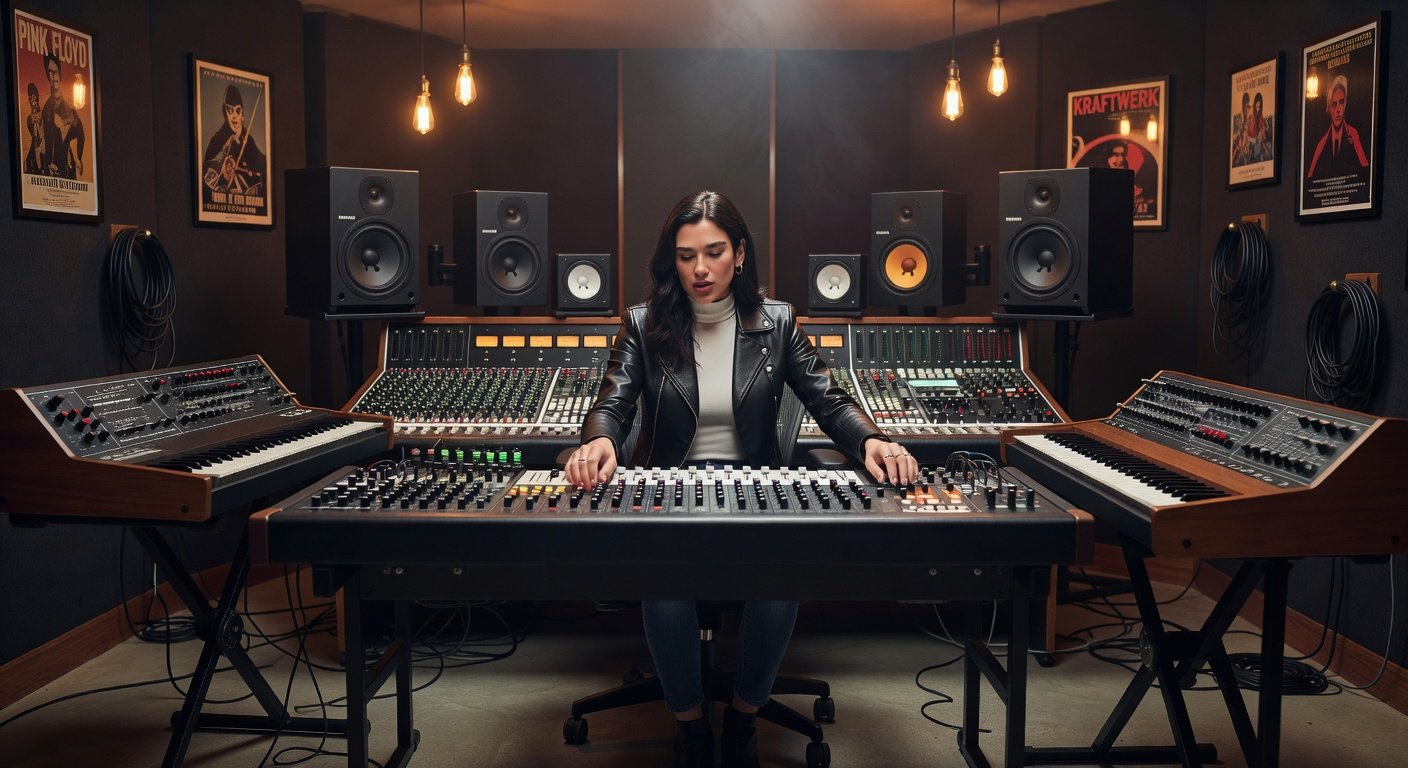
This collaborative yet hands-on method allows her to maintain creative control. For producers, her approach demonstrates the value of experimenting with analog gear alongside digital tools to achieve a warm yet polished sound. Her songwriting frequently explores themes of independence and joy, resonating with listeners seeking escapism through dance.
Signature Tracks and Audio Breakdowns
"Levitating" combines funky guitar riffs with an infectious hook that builds through verse-chorus tension. The song demonstrates how Dua Lipa uses rising synth lines to create anticipation before the drop. "Physical" highlights her command of tempo changes and vocal layering, switching from intimate verses to explosive choruses. "Love Again" samples classic disco elements, showing her skill at reinterpreting older tracks for contemporary ears.
These examples illustrate the importance of contrast in dance-pop: quiet moments make the big beats hit harder. Breakdowns reveal her attention to detail in mixing, where every element serves the overall groove and emotional arc of the song.
Building a Live-Performance Brand
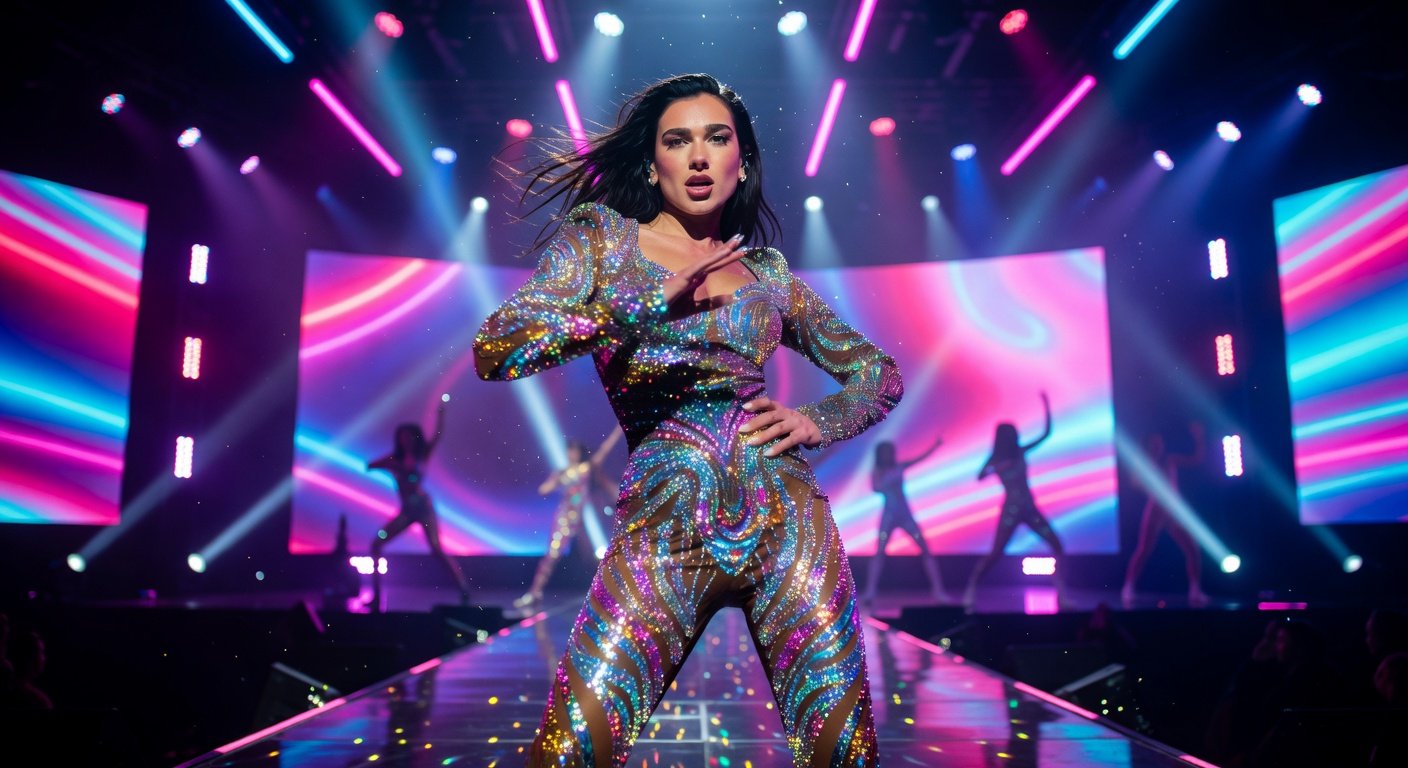
Dua Lipa's stage presence combines high-energy choreography with intimate audience connection. Her Future Nostalgia Tour featured elaborate lighting and costume changes that reinforced her retro-futurist aesthetic, creating immersive experiences that fans remember long after the show. She incorporates fan interactions and improvisational moments to keep performances fresh across multiple nights.
For emerging artists, consistency in visual branding across social media and live shows is essential. Dua Lipa uses behind-the-scenes content to humanize her process, strengthening the bond with her audience and turning casual listeners into dedicated supporters.
Global Impact and Comparisons with Peers
Dua Lipa's music has crossed cultural boundaries, topping charts in Europe, Asia, and the Americas. Unlike some peers who focus solely on streaming metrics, she prioritizes timeless songcraft that works in both intimate settings and massive festivals. Her success offers a blueprint for artists navigating the post-pandemic music landscape.
Practical Takeaways for Aspiring Musicians
- Focus on melody first—strong hooks drive streams and radio play; test ideas by singing them a cappella.
- Collaborate widely but maintain creative control by voicing preferences during sessions.
- Invest time in live performance skills early through open mics and small gigs to build stage confidence.
- Blend current trends with personal influences for authenticity that stands out in a crowded market.
- Document your process on social platforms to grow a community around your music.
FAQ: Dua Lipa's Gear and Creative Routines
What microphone does Dua Lipa use in the studio?
She has worked with Neumann U87 and Shure SM7B models during recording sessions for Future Nostalgia, choosing based on the desired vocal texture.
How does she structure her songwriting sessions?
Dua Lipa typically begins with vocal ideas or piano loops, then refines lyrics and arrangements over multiple days with trusted collaborators to ensure every element aligns with her vision.
Does she produce her own tracks?
While she collaborates with top producers, she actively participates in mixing decisions and arrangement choices on her albums, often suggesting changes that enhance the dancefloor energy.
What routines help her maintain vocal health on tour?
Daily warm-ups, hydration, and scheduled rest periods are key parts of her regimen to sustain powerful performances night after night.
For more on global music trends and industry insights, visit grammy.com and billboard.com.
Conclusion
Dua Lipa's journey from club stages to worldwide acclaim illustrates the power of persistence, vocal craft, and smart production choices. Aspiring artists who apply these lessons in melody development, collaboration, and branding can build sustainable careers in the evolving music industry. Her story continues to inspire as she evolves with each release, proving that dance-pop can be both commercially dominant and deeply personal.
No comments yet. Be the first!