 Instrumentiverse
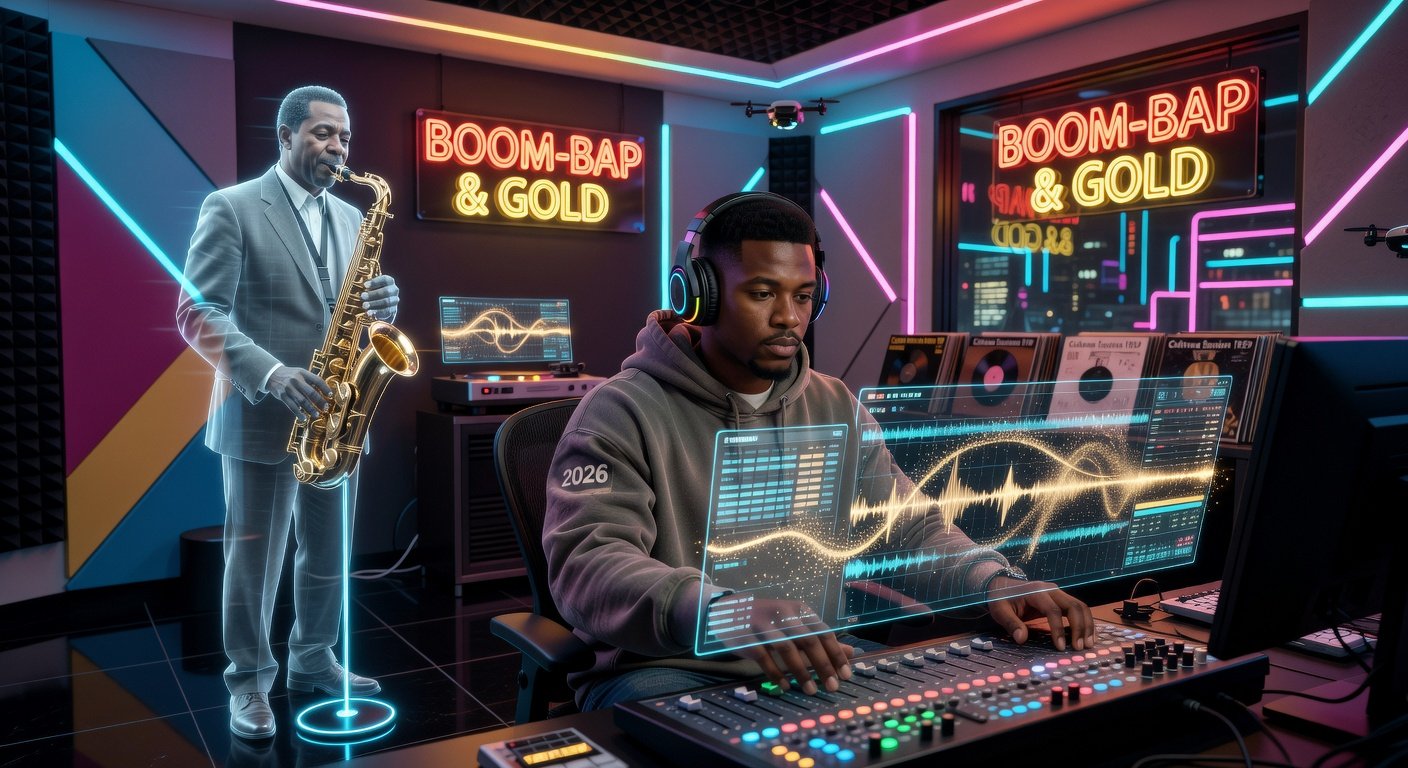
Introduction to Hip Hop x Jazz Fusion in 2026
The music landscape is evolving faster than ever, and by 2026, hip hop x jazz fusion is set to dominate charts and playlists. This hybrid genre marries the rhythmic drive and storytelling of hip hop with jazz's harmonic depth, improvisation, and soulful expression. Producers like Robert Glasper, BADBADNOTGOOD, and emerging talents are pioneering this sound, creating tracks that feel both nostalgic and futuristic.
Why now? Streaming algorithms favor genre-bending hits, and audiences crave authenticity amid AI-generated noise. In this guide, we'll dive deep into advanced techniques for blending jazz chord progressions and improvisation into hip hop production. Expect step-by-step tutorials on sampling icons like John Coltrane, modern DAW workflows, case studies of smash hits, and tips for electronic-infused hybrids. Whether you're a seasoned beatmaker or leveling up, these methods will arm you for 2026's sound.
Why Jazz and Hip Hop Are a Perfect Match
Jazz provides rich harmonic palettes—think ii-V-I progressions and modal interchange—that add emotional layers to hip hop's boom-bap or trap foundations. Hip hop's sampling tradition echoes jazz's improvisational ethos, turning vinyl crates into digital goldmines.
Key synergies:
- Harmony Meets Groove: Jazz chords (e.g., major 7ths, 9ths) elevate simple minor-key hip hop loops.
- Improvisation in Beats: Live soloing over quantized drums mimics hip hop's freestyle energy.
- Texture and Space: Jazz's dynamics create breathing room in dense hip hop mixes.
Historically, this fusion traces back to A Tribe Called Quest's jazz loops in the '90s and Guru's Jazzmatazz series. Today, it's amplified by plugins and AI-assisted sampling.
Essential Jazz Elements for Hip Hop Producers
Start with foundational jazz components ripe for hip hop adaptation.
Chord Progressions
Jazz progressions like the rhythm changes (I-VI-II-V) or Coltrane changes offer endless variation. In hip hop, layer these under 808s for tension-release cycles.
Example: Transpose a ii-V-I (Dm7-G7-Cmaj7) to match your track's key, then sidechain to the kick for punch.
Improvisation Techniques
Capture jazz solos via MIDI or audio, then chop and pitch-shift. Use pentatonic scales for hip hop-friendly melodies.
Sampling Essentials: John Coltrane Riffs
Coltrane's A Love Supreme is a sampler's dream—modal lines and spiritual intensity. Legally source from official releases or royalty-free libraries. Learn more about Coltrane's influence at the official John Coltrane site.
Step-by-Step Tutorial: Sampling Coltrane into Hip Hop Beats
Let's build a track in Ableton Live (adaptable to FL Studio or Logic Pro). Download Ableton from their official site for pro tools.
- Source the Sample: Import a Coltrane riff (e.g., "Acknowledgement" sax line) at 88 BPM. Ensure 24-bit/44.1kHz quality.
- Time-Stretch and Pitch: Warp to your hip hop tempo (80-95 BPM). Use Complex Pro mode to preserve transients.
- Chop It Up: Slice Audio to MIDI. Select rhythmic hits (notes 1, 3, 5) for a swung feel.
- Layer Chords: Add Operator synth with jazz voicings: Root, 3rd, 7th, 9th. Automate inversions for movement.
- Drum Integration: Program a half-time beat: Kick on 1, snare on 3, hi-hats triplet-swung. Sidechain jazz elements to kick.
- Improv Layer: Record a keyswitched sax VST (e.g., Native Instruments Session Horns). Quantize lightly for jazz vibe. Check Native Instruments at their homepage.
- Effects Chain: Vinyl emulation (Sausage Fattener), reverb (Valhalla Room), and lo-fi tape saturation.
- Mix and Master: EQ highs for sparkle, compress bus for glue. Reference -14 LUFS for streaming.
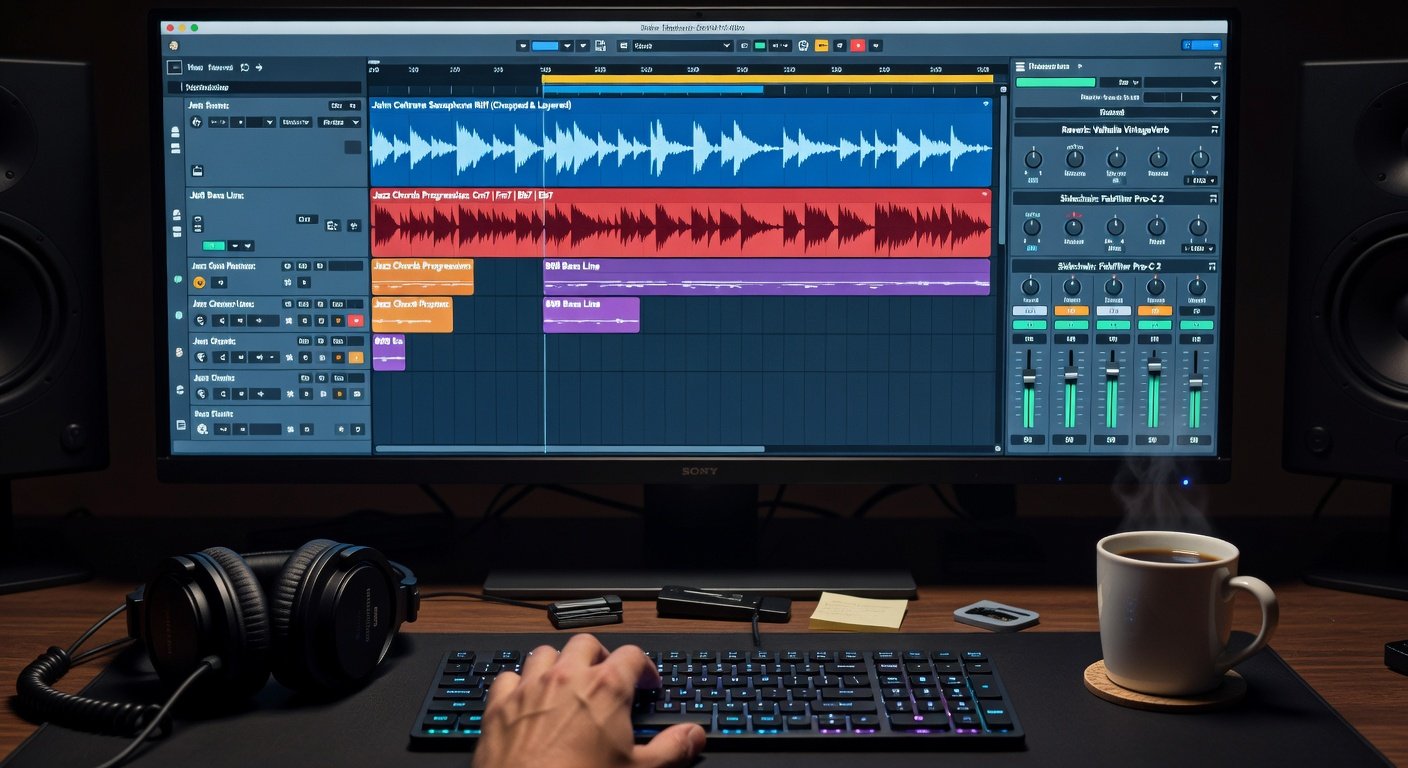
This workflow yields a track like Glasper's "Afro Blue" remix—introspective yet head-nodding.
Case Studies: Hit Songs Redefining the Fusion
Robert Glasper's "This Love" (feat. Bilal & Ledisi)
Glasper chops Herbie Hancock piano over trap hi-hats, using extended chords for melancholy. Key technique: Parallel processing on keys for width.
BADBADNOTGOOD x MF DOOM - "The Lost Scroll"
Jazz basslines sliced into DOOM's abstract flows. Lesson: Preserve swing quantization (60-70%) for organic feel.
Electronic-Infused Hybrids: FKJ & Masego
FKJ's live-looped jazz keys meet Masego's saxtrap. Add Serum wavetables for futuristic sheen—white noise risers synced to Coltrane motifs.
These tracks amassed millions of streams, proving fusion's commercial viability.
Advanced DAW Workflows for 2026
Leverage AI tools like Scaler 2 for jazz chord suggestions or Splice's Creator Packs for pre-chopped jazz.
- Ableton Live 12: Drum Racks with Simpler for micro-edits.
- Logic Pro: Alchemy synth for morphing jazz pads.
- FL Studio: Gross Beat for half-time effects on solos.
Pro Tip: Use Max for Live devices like Jazz Mutator to randomize improv variations automatically.
Tips, Common Mistakes, and Pro Hacks
Top Tips:
- Match keys religiously—use Mixed In Key software.
- Experiment with micro-timing: Nudge jazz elements 10-20ms off-grid.
- Hybrid Vocals: Pitch-correct rap ad-libs to jazz scales.
Mistakes to Avoid:
- Over-sampling: Limit to 2-3 jazz elements per track.
- Ignoring Clearance: Always clear samples via Tracklib.
- Flat Dynamics: Automate volume swells on solos.
2026 Hacks: Integrate VR MIDI controllers for live improv capture. AI upscaling for low-res vinyl rips.
Conclusion: Your Path to Fusion Mastery
Hip hop x jazz fusion isn't a trend—it's the future. By mastering sampling, progressions, and DAW finesse, you'll craft 2026 bangers that resonate deeply. Start with one Coltrane riff today, iterate, and share your beats. The jazz-hip hop nexus awaits your signature sound.
No comments yet. Be the first!